


Ever thought about what happens when people who own property together can’t agree? A partition lawsuit might help solve these problems.
A partition action in real estate happens when people own property together but can’t agree on what to do with it. This legal way helps divide or sell shared property fairly. It makes sure everyone gets a fair deal in a property dispute.
Property co-ownership comes from many places, like family inheritances or business partnerships. When disagreements happen, a partition lawsuit is a legal way to handle it. It protects the rights and interests of each property owner.
Table of Contents
Key Takeaways
- Partition lawsuits resolve property ownership conflicts
- Multiple ownership scenarios can trigger these legal actions
- The process ensures fair division or sale of shared property
- Legal intervention helps when co-owners cannot agree
- Partition actions protect individual property rights
Definition of a Partition Lawsuit
A partition lawsuit is a legal way to solve problems with shared property. It helps when owners can’t agree on what to do with it.
This process helps when owners can’t agree. The court steps in to find a solution. This way, everyone gets a fair share.
Explanation of Partition Actions
Partition actions help solve property problems. They offer a few main ways to fix issues:
- Dividing physical property between co-owners
- Facilitating a forced sale of property
- Resolving complex ownership disputes
- Providing a legal pathway for property distribution
Purpose in Disputes
The main goal of a partition lawsuit is fairness. It helps when owners can’t agree on what to do with the property. It covers many situations, like:
| Dispute Type | Typical Resolution |
|---|---|
| Inherited Property Conflicts | Court-ordered sale or division |
| Investment Property Disagreements | Forced sale or equitable distribution |
| Family Real Estate Disputes | Partition action to resolve ownership issues |
Courts aim to find the fairest solution. They make sure everyone’s rights are respected. This way, everyone knows what to expect.
Types of Partition Lawsuits
When many people own a property together, things can get complicated. Lawsuits help solve these problems. They offer ways for co-owners to agree on who owns what.
- Partition by Sale
- Partition in Kind
- Hybrid Partition Options
Partition by Sale
If co-owners can’t agree, selling the property is a simple fix. The court sells the property. Then, the money is split based on who owns what.
Partition in Kind
This method works if the property can be split without losing value. Partition in kind lets owners divide the property. Each gets a part that matches their share.
Hybrid Partition Options
Courts might mix different solutions for a fair outcome. These hybrids aim to please everyone involved.
| Partition Type | Key Characteristics | Best Used When |
|---|---|---|
| Partition by Sale | Entire property sold | Complex properties, irreconcilable disputes |
| Partition in Kind | Physical property division | Large land parcels, easy divisibility |
| Hybrid Partition | Mixed division strategies | Unique property circumstances |
Knowing about these types of lawsuits helps co-owners deal with tough property issues. It gives them legal advice and clarity.
The Legal Process of a Partition Lawsuit
Going through a real estate lawsuit can be tough, like when you can’t agree on who owns what. The steps in a partition lawsuit are key to keeping your rights safe.
When co-owners can’t agree, a partition lawsuit helps solve the problem. It’s a way to sell a property with court help.
Initiating the Legal Proceedings
The lawsuit starts with a legal filing that explains the problem. Steps include:
- Preparing and filing the initial complaint
- Identifying all co-owners of the property
- Documenting existing ownership agreements
- Providing clear evidence of property co-ownership
Notification and Service Requirements
Notifying co-owners is a big part of the lawsuit. They must get papers that tell them about the lawsuit and what might happen.
| Notification Stage | Key Requirements |
|---|---|
| Initial Service | Certified mail or personal delivery |
| Legal Documentation | Detailed complaint explaining partition request |
| Response Deadline | Typically 20-30 days from service date |
Court Procedures and Resolution
The court looks at many things, like property value and who owns what. Judges might suggest:
- Dividing the property
- Selling the whole property
- Giving money to co-owners
Knowing these steps helps co-owners deal with tough real estate issues.
Eligibility for Filing a Partition Lawsuit
Going through a legal partition process can be hard. It’s even harder when you’re dealing with a joint property dispute. Knowing who can start a partition lawsuit is key for those who want to split property in court.

Being a co-owner of property comes with certain legal rights. These rights decide if you can start a partition lawsuit. Not all co-owners can do the same thing legally.
Types of Property Ownership Affecting Eligibility
How you own property can change if you can start a partition lawsuit:
- Joint Tenancy: All owners have equal rights to the whole property
- Tenancy in Common: Owners can have different amounts of the property
- Community Property: This is for married couples in some states
Key Requirements for Co-owners
To start a legal partition process, co-owners need to meet certain rules:
- They must show they legally own the property
- They must show they want to divide or sell the property
- They must not be able to agree with the other owners
| Ownership Type | Partition Lawsuit Eligibility | Key Considerations |
|---|---|---|
| Joint Tenancy | High | Equal right to file |
| Tenancy in Common | Medium | Proportional ownership matters |
| Community Property | Varies by State | Marital property rules apply |
If you’re thinking about a partition lawsuit, talk to a local real estate lawyer. They can help you understand if you can start a lawsuit and what your options are.
Potential Reasons for Filing a Partition Lawsuit
Partition lawsuits are key for solving tough real estate problems. They help when talking it out doesn’t work. Property owners might need them when they can’t agree.
Knowing why someone might sue can help solve disputes. It makes it easier to deal with hard ownership issues.
Family Inheritance Disputes
When family members inherit property together, lawsuits can happen. These problems often come from:
- Disagreements about how to use the property
- Conflicting money interests
- Feeling upset about family assets
Investment Partnership Challenges
Investment partnerships in real estate can fall apart. This might happen because of:
- Different ideas on how to invest
- Not sharing money equally
- Not agreeing on how to manage the property
Changes in Co-ownership Dynamics
Changes in life can make it necessary to split property legally. Important reasons include:
| Circumstance | Potential Partition Trigger |
|---|---|
| Divorce | Need to divide assets |
| Relocation | Can’t keep the shared property |
| Financial Strain | Must sell the joint asset |
Partition lawsuits are a legal way to solve hard property ownership problems. They might be tough, but they help find fair solutions.
Rights of Co-owners in Partition Lawsuits
Partition lawsuits help when co-owners face problems. They make sure everyone gets their share of the property. This is key when many people own a property together.
Co-owners have legal rights in property disputes. The partition deed action helps solve these problems. It makes sure everyone is treated fairly.
Right to Physical Partition
Co-owners can split the property if it can be divided. This means each owner gets a part based on how much they own.
- Evaluate property’s physical divisibility
- Determine equitable land distribution
- Assess structural and legal constraints
Right to Financial Compensation
If splitting the property is not possible, co-owners can sell it. They get money based on how much they own. Courts make sure the money is divided fairly.
| Ownership Percentage | Compensation Share |
|---|---|
| 25% | 25% of Total Property Value |
| 50% | 50% of Total Property Value |
| 75% | 75% of Total Property Value |
Dealing with co-ownership issues needs to know about legal rights. These rights help solve disputes fairly and protect each owner’s property.
Consequences of a Partition Lawsuit
When property co-owners go to court, a partition lawsuit can change their lives. It’s important to know what might happen before starting this legal fight.
Partition lawsuits can change things a lot for people who own property together. Before starting, it’s key to think about what could happen.
Potential Property Division Outcomes
- Physical division of property between co-owners
- Forced sale of the entire property
- Monetary compensation for ownership shares
- Redistribution of property proceeds
Financial and Emotional Impacts
A lawsuit over property can be very hard on your wallet. Legal fights often cost a lot of money.
- Expensive court costs
- Potential property value reduction
- Tax implications for property transfer
- Long-term investment complications
Feeling sad or upset is common in these cases. Relationships between co-owners may become permanently damaged. This is true, even in cases of family-owned or inherited property.
Even though partition actions can solve property disputes, they come with big risks. Talking to a lawyer who specializes in partition lawsuits can help. They can explain all the possible outcomes before you decide to go ahead.
Mediation and Alternative Dispute Resolution
Co-owners have choices other than going to court. Mediation is a smart way to solve property disputes. It avoids the stress and cost of a trial.

Going to court over a property split can be tough. Mediation helps co-owners work together. They find solutions with help from experts.
Benefits of Mediation in Property Disputes
- Significantly lower legal costs compared to court proceedings
- Faster resolution of property ownership conflicts
- Preserves relationships between co-owners
- Flexible negotiation options
- Confidential discussions
When to Consider Mediation
Mediation is a good choice when co-owners want to:
- Maintain amicable relationships
- Minimize legal expenses
- Seek quick resolution
- Avoid lengthy court procedures
| Mediation Approach | Court Litigation |
|---|---|
| Collaborative problem-solving | Adversarial proceedings |
| Controlled by participants | Controlled by judge |
| Lower cost | Higher legal expenses |
| Faster resolution | Lengthy court process |
Choosing a good mediator is key. They know how to solve property disputes. They help co-owners find good solutions.
Role of Attorneys in Partition Lawsuits
Going through a property co-owner dispute needs smart legal help. Lawyers are key in handling tough partition lawsuits. They give important advice at every step.
Having a lawyer is vital when facing hard property issues. These issues might force a property sale or a court order to split it.
Importance of Legal Representation
Lawyers offer deep support in property disputes. They do this by:
- Looking closely at complex ownership papers
- Thinking of the best legal plans
- Keeping your property rights safe
- Talking about possible settlements
Finding the Right Attorney
Finding the right lawyer takes thought. Look for someone with:
| Qualification | Importance |
|---|---|
| Real Estate Litigation Experience | Very important for knowing property laws well |
| Local Jurisdiction Knowledge | Very important for dealing with local laws |
| Negotiation Skills | Very important for solving problems outside court |
When looking for a lawyer for a partition lawsuit, choose one with real estate experience. They should also have a good track record in solving property disputes.
Costs Associated with Partition Lawsuits
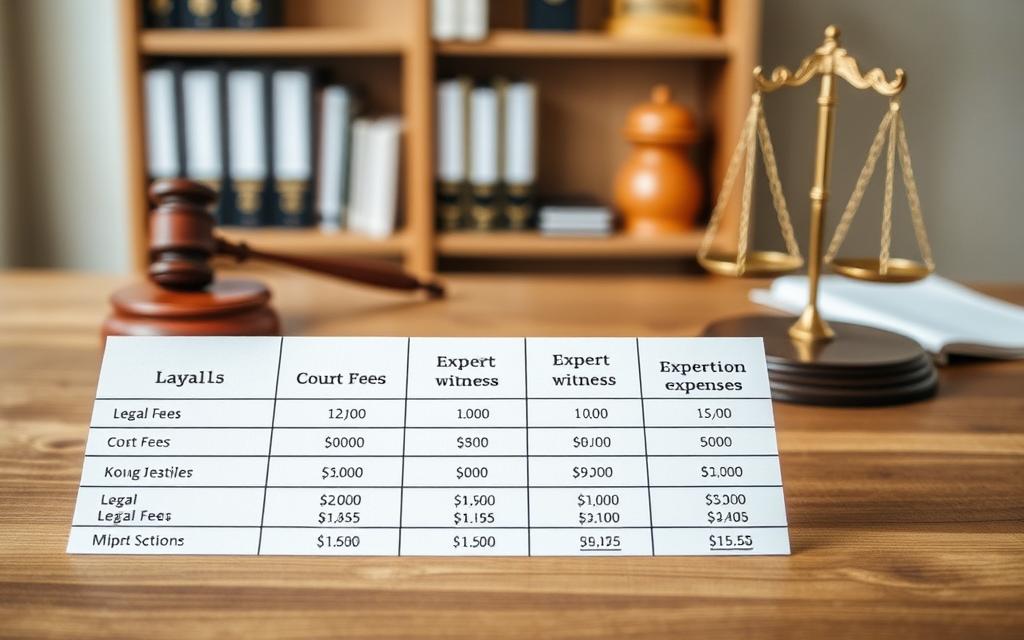
Going through a partition lawsuit can be expensive. It involves many costs that co-owners need to think about before starting a lawsuit. Knowing the costs is key to making smart choices about dividing property.
The cost of a partition lawsuit can change a lot. Planning your money well helps you guess what you might spend. This way, you can plan your legal steps better.
Breakdown of Legal Fees
- Attorney consultation fees
- Hourly legal representation rates
- Document preparation charges
- Court filing expenses
Comprehensive Cost Analysis
| Expense Category | Estimated Cost Range | Potential Variability |
|---|---|---|
| Legal Representation | $2,500 – $15,000 | Complexity of case |
| Court Filing Fees | $300 – $1,500 | State and county regulations |
| Property Appraisal | $300 – $800 | Property size and location |
| Expert Witness Fees | $1,000 – $5,000 | Specialized expertise required |
Additional Possible Expenses
There are also unexpected expenses that might happen during a partition lawsuit. These can include:
- Survey costs for property boundaries
- Title search expenses
- Mediation or arbitration fees
- Potential property maintenance during proceedings
It’s wise to talk to a real estate lawyer to get a good estimate. Each lawsuit is different, and you need a lawyer who knows your case well.
Key Considerations Before Filing
Thinking about a partition sale real estate lawsuit needs careful thought. Property disputes can get very complicated. They can affect both your money and your relationships.
Before starting a real estate lawsuit, owners must look at a few important things:
- Potential financial costs of selling through court
- How it might change your relationship with co-owners
- The stress of legal fights
- State laws about dividing property
Evaluating the Legal Landscape
Every state has its own rules for dividing property and handling disputes. It’s very important to do deep research on local laws before going to court. Owners should talk to real estate lawyers who know the local laws well.
Financial and Emotional Considerations
Partition lawsuits can cost a lot and be very stressful. There are legal fees, court costs, and figuring out the property’s value. Owners need to think about these costs and if they’re worth it.
- Figure out the total legal costs
- Check how much the property is worth
- Look at other ways to solve disputes
- Think about the long-term effects on investments
Planning carefully and getting help from experts can help you through the partition process. It can also protect your interests.
Case Studies and Precedents
Property ownership disputes are complex. They need a close look at past cases. The legal process has changed a lot because of court decisions.
Landmark Cases Shaping Partition Laws
Many important legal cases have changed how courts handle property issues. One example is inherited family properties. They show how tricky partition lawsuits can be.
- 2022 California Partition Law Reforms changed rules for inherited properties
- Courts now understand complex family ownership better
- They also think about the emotional and financial effects of dividing property
Key Lessons from Real-World Scenarios
Real cases teach us a lot about solving property disputes. The legal system has learned to handle different challenges in shared property cases.
- Family inheritance disputes need a caring legal view
- Investment property conflicts need a deep financial look
- Changes in life can lead to complex partition cases
Critical Insights for Property Owners
Knowing these precedents helps property owners see what might happen in legal cases. Each case shows how important it is to talk clearly and plan ahead when dealing with shared property.
Getting a good outcome often means understanding property rights, family relationships, and the laws about shared ownership.
Conclusion: Navigating Partition Lawsuits
Real estate disputes can get very complicated. Partition lawsuits help divide property in court when owners can’t agree. Knowing how these work helps owners make smart choices.
Understanding partition laws is key. Owners must think about money, feelings, and property value before suing. Getting legal advice is very important.
Winning often means knowing your legal options well. Talking to real estate lawyers can give you important advice. Owners should talk openly, try mediation, and get legal help to protect their interests.
If you’re dealing with a tough situation in California, SAC Attorneys LLP can help. Our San Francisco lawyers know about property rights and division. They can guide you through the legal process.






Leave a Reply