


Ever thought about changing who owns a property? Taking someone’s name off a deed isn’t hard, but you need to know the legal steps.
Deeds are key documents that show who owns a property. You might need to change a deed for many reasons, like divorce or inheritance. It’s important to understand how to do this to keep your property safe.
Removing a name from a deed takes a few steps. You need to think about the law, taxes, and why you’re making the change.
Table of Contents
Key Takeaways
- Property deeds are legal documents confirming property ownership
- Multiple reasons exist for removing a name from a deed
- Professional legal guidance is recommended
- Local laws significantly impact the deed transfer process
- Proper documentation is key for removing a name
- Tax and financial effects must be thoughtfully considered
Understanding Property Deeds
Property deeds are very important legal papers. They show who owns a property and who sold it. Knowing how to change a property title helps with buying and selling homes.
Changing a deed needs careful work and legal knowledge. Deeds prove who owns a property. They show when and to whom the property was given.
What is a Property Deed?
A property deed is a legal paper that shows who owns a property. It has important details like:
- Property description
- Names of current and previous owners
- Date of transfer
- Signatures of involved parties
Types of Property Deeds
There are many kinds of property deeds for different situations:
| Deed Type | Key Characteristics |
|---|---|
| Warranty Deed | Provides maximum protection for the buyer |
| Quitclaim Deed | Transfers whatever ownership rights the seller possesses |
| Grant Deed | Implies the property has not been sold to another party |
Importance of a Proper Deed
A good deed helps property owners in many ways:
- It makes sure who owns the property is clear.
- It helps avoid legal problems.
- It makes buying and selling homes easier.
- It keeps a record of who owned the property before.
Accurate documentation is key to successful property ownership and transfer.
Reasons for Removing a Name from a Deed
Property ownership can get complicated during big life changes. It’s important to know the legal and money sides of taking someone’s name off a house deed. This is true for homeowners going through big changes in their lives or money.
- Divorce or legal separation
- Death of a co-owner
- Financial restructuring
- Ownership transfer after relationship changes
Divorce or Separation
Divorce means splitting up property. A divorce property deed helps couples legally give one person full ownership. This makes sure they are financially separate and clear about who owns what.
Death of a Co-Owner
If a co-owner dies, you need to update the deed. You must legally take the dead person’s name off. This usually needs a death certificate and might involve court.
Financial Considerations
Money reasons can also lead to changing who owns a property. Refinancing, buying out a co-owner’s share, or planning for the future are common reasons. Each reason needs careful planning to protect everyone’s interests.
Legal Implications of Removing a Name
Understanding property deed laws is key. Changing a real estate title can change who owns the property. It also changes who is responsible for money matters.
When you think about changing a title, know the legal stuff. It can affect your money and legal rights later.
Ownership Rights Transformation
Changing a deed changes who owns the property. It affects:
- Who gets to make decisions about the property
- Who controls the property’s value
- Who can sell or give the property away
Tax Implications Overview
Removing names from titles can lead to tax issues. You might face:
| Tax Category | Potential Impact |
|---|---|
| Capital Gains Tax | Possible tax for property value increase |
| Property Transfer Tax | Potential extra fees |
| Income Tax Considerations | Changes in how you report property ownership |
Potential Legal Liabilities
Changing a deed can lead to legal problems. Getting legal advice is very important to avoid these issues.
- Unexpected money problems
- Possible legal fights
- Issues with mortgages
Changing a title needs careful thought and expert help. This protects your money and legal rights.
Steps to Remove a Name from a Deed
Removing a name from a property deed is a detailed process. It needs careful steps and knowing local laws. This ensures both sides are protected and the title is changed legally.
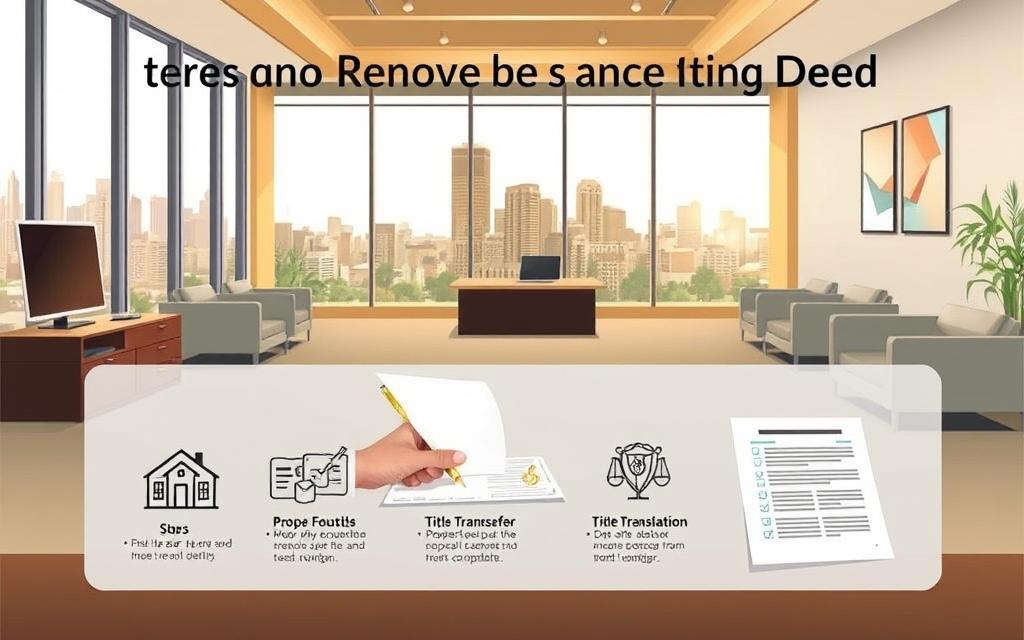
Before starting, property owners must take important steps. These steps help remove a name from the deed successfully.
Verify Local Legal Requirements
Every area has its own rules for deed transfers. Owners should:
- Contact local county recorder’s office
- Research specific state property transfer laws
- Understand any legal limits
- Look into tax effects
Secure Owner Consent
Removing a name from a deed needs everyone’s agreement. Key steps include:
- Talk about the transfer with all owners
- Get written consent from co-owners
- Settle any ownership disputes
- Keep all agreements documented
Document Preparation
Having the right documents is key when removing a name from a deed. You’ll need:
- Quitclaim deed
- Property tax records
- Current property deed
- Proof of ownership
Getting help from a lawyer can make the process easier. It helps avoid problems during a title change.
Types of Documents Needed
To change a deed, you need to know what legal papers are needed. Property owners must get the right documents to legally remove a name from a deed.
When you want to change a deed, you’ll find many important documents. These documents are key to transferring ownership.
Quitclaim Deed: The Most Common Option
A quitclaim deed is easy to use for transferring property rights. It lets an owner:
- Give up their whole property interest
- Transfer ownership without ensuring clear title
- Quickly take a name off property papers
Warranty Deed: Providing Additional Protections
A warranty deed gives more protection than a quitclaim deed. It guarantees the property title is clear and free from old problems.
Supporting Documentation Required
To fully remove a name from a deed, you’ll need more documents. These include:
- Proof of identity for everyone involved
- Death certificates (if needed)
- Divorce decrees
- Court orders showing ownership changes
The exact documents needed depend on your situation. This could be due to divorce, inheritance, or other reasons for transferring property.
How to Fill Out a Quitclaim Deed
Filling out a quitclaim deed needs careful steps. This legal document changes who owns a property. It’s important to do it right.
To make a quitclaim deed, you must get certain info. This info helps fill out the form correctly.
Essential Information for Your Quitclaim Deed
The quitclaim deed needs lots of details to be valid. Here’s what you need:
- Full legal names of the grantor and grantee
- Property description, like address and parcel number
- Details about who owns the property now
- Where the property is located, including county and state
Proper Signing Requirements
Signing a quitclaim deed is very important. Here’s how to do it right:
- Everyone must sign in front of a notary
- Use blue or black ink for signatures
- Print names clearly under signatures
- Make sure signatures match ID
Notarization Process
Notarization makes your quitclaim deed official. The notary will:
- Check who everyone is
- See them sign
- Put a notary seal on it
- Fill out a notarial certificate
Doing these steps right makes sure the property change is legal and safe.
Filing the Deed
Recording a new deed is a big step. It needs careful steps and knowing local laws. This helps owners finish their paperwork right.
When you’re ready to file your deed, follow important rules. This makes sure your documents are correct and legal.
Choosing the Right Filing Location
The county recorder’s office is where you file deeds. Each county has its own rules for filing:
- Find the county recorder’s office for your property
- Get the right address and contact info
- Check what your county needs for documents
Understanding Filing Fees
Fees for filing deeds vary by place. You might pay for:
- The basic filing fee (usually $20-$75)
- Fees for extra pages
- Charges for certification
Processing Timeframe
How long it takes to process a deed varies. It can be a few days to several weeks. Times can change based on:
- How busy the county office is
- If all documents are complete
- Current processing times
Owners should be ready for delays. Keep copies of all documents when changing ownership.
The Role of an Attorney
Changing property deeds can be tricky. You need a lawyer’s help. They make sure everything goes smoothly and follows the law.

Property deed laws are hard to understand. Getting help from a lawyer can save you time and money. It also helps avoid legal problems.
When to Seek Legal Help
Here are times when you should talk to a lawyer:
- Complex property ownership situations
- Potential ownership disputes
- Inheritance or transfer complications
- Divorce-related property modifications
- Multi-party property ownership changes
Benefits of Professional Legal Guidance
Lawyers who know property law help a lot by:
- Ensuring complete legal compliance
- Preventing costly documentation errors
- Navigating complex legal requirements
- Protecting your property rights
- Streamlining the deed modification process
Choosing an attorney with experience in property deed changes is very important. It helps you complete your ownership change successfully.
Common Mistakes to Avoid
Dealing with property deed laws can be tricky. Many people struggle to remove a name from a deed without help. It’s important to know the common mistakes to avoid for a smooth process.
The process of changing a deed involves many important steps. Mistakes can cause delays, legal issues, or even make the transfer invalid.
Critical Errors to Prevent
- Skipping professional legal consultation
- Incomplete or incorrect documentation
- Failing to notify all interested parties
- Overlooking possible tax issues
- Misunderstanding local property rules
Not Consulting a Lawyer
Trying to handle deed transfers alone is risky. Professional lawyers know the complex deed laws well. They guide you through tricky situations and make sure everything is done right.
Documentation Challenges
Small mistakes in legal papers can stop the deed transfer. Common errors include:
- Wrong property details
- Missing signatures
- Notarization issues
- Missing ownership info
Notification Requirements
When you change who owns a property, you must tell everyone. This includes mortgage lenders, tax offices, and co-owners. Not telling them can lead to legal trouble and fines.
Special Considerations for Joint Tenancy
Joint tenancy is a special way to own property. It has big legal rules for those who own it together. To take someone off, you need to change the property title and follow legal steps.
Understanding Joint Tenancy Basics
Joint tenancy means two or more people own a property together. They have the same rights and duties. The big thing about it is the right of survivorship. This means when one owner dies, their part goes to the others.
Key Aspects of Co-Owner Name Removal
- Removing a joint owner needs everyone’s okay
- You need to make legal papers right
- Changing the property title has legal steps
- Think about money and tax issues too
Legal Processes for Removing a Joint Owner
To remove a joint owner, you must do a few important things:
- Get written agreement from all owners
- Make a quitclaim or warranty deed
- Get it notarized
- File it with the county records
Removing a co-owner needs careful planning. You might need a lawyer to help make it go smoothly.
Handling Ownership Transfer During Divorce
Divorce can make owning property very complicated. Changing a divorce property deed is a big task. It needs careful legal steps and planning.
When couples split up, moving property ownership is key. The process of changing a divorce property deed has many important parts:
- Determining current property ownership status
- Understanding legal requirements for changing ownership on deed
- Evaluating mortgage implications
- Protecting individual financial interests
Legal Requirements for Property Transfer
Removing a spouse from a house deed during divorce has many legal steps. Courts usually need:
- Comprehensive property valuation
- Mutual agreement or court-ordered transfer
- Preparation of official transfer documents
- Filing updated property documentation
Amending the Deed Post-Divorce
Changing ownership on a deed needs exact paperwork. Quitclaim deeds are often used for this. A real estate attorney can help make sure everything is done right.
Property owners should think about tax effects and mortgage refinancing needs. These are important when changing deed ownership during divorce.
Removing a Deceased Co-Owner from a Deed
Handling property after a co-owner dies is tough. You need to update the deed carefully. This means following legal steps and using the right papers.
After a co-owner dies, you must fix the property title. The first thing is to get a death certificate. This is key to remove the dead person’s name from the deed.
Critical Steps for Deed Modification
- Get many certified copies of the death certificate
- Find the original property deed
- Figure out the property ownership type
- Talk to a local real estate lawyer
Documentation Requirements
To remove a name, you need to file certain papers with your county recorder. Surviving owners must give detailed documents. You’ll need:
- The original death certificate
- The current property deed
- Completed transfer forms
- Proof of who gets the property
Potential Challenges in Deed Update
Fixing the title can get tricky if the dead owner’s estate was complex. Or if there are many heirs. Getting help from a lawyer can make things easier.
Implications for Property Taxes
Changing who owns a property can lead to big tax changes. Property laws make it tricky. They can change who pays taxes when ownership shifts.
When someone’s name is taken off a deed, there are important tax things to think about:
- Potential reassessment of property value
- Changes in tax exemption eligibility
- Potential transfer tax obligations
- Modification of homestead exemption status
Understanding Tax Liabilities
Taxes can change a lot when ownership is transferred. Local rules about property taxes are different.
Things that affect taxes include:
- Relationship between original and new property owners
- Current property value
- Duration of ownership
- Specific transfer method used
Transfer of Tax Responsibilities
Transferring tax duties needs careful paperwork and talking to tax people. Talking to them early can avoid surprises.
Property owners should talk to local tax people. They can explain what’s needed and what might cost money when changing ownership.
Maintaining Clear Ownership Records
Keeping accurate property records is key to protecting your real estate. Property title changes need careful documentation and record management. This helps avoid legal problems.
Effective steps for changing house titles involve more than just paperwork. Real estate deed edits need attention to detail. You must also keep your ownership documents up to date.
Why Updated Records Matter
Clear ownership records offer many benefits:
- They prevent ownership disputes
- They make future property deals easier
- They protect your legal rights to the property
- They ensure smooth inheritance
Best Practices for Document Management
To keep your property records organized, try these tips:
- Make a special file for all property documents
- Save important papers in a secure online space
- Do title searches regularly
- Update records after big property changes
Being proactive with record management can save you a lot of time and money in the future.
Conclusion: Making Informed Decisions
Changing property titles needs careful planning and smart thinking. It’s not just about filling out forms. It’s about keeping your legal and money safe. The process can get tricky, like during big life changes like divorce or when you inherit something.
Changing who owns a property needs a lot of research and help from experts. Talking to a real estate lawyer is key to avoid problems. Every step is important, from checking local laws to making sure your papers are right and knowing about taxes.
When you change a property title, be very careful. It’s important whether you’re dealing with shared ownership, estate matters, or changing who owns the property. Make sure you know all the legal steps and keep good records.
Next, talk to a local real estate expert who knows your situation. Have all your papers ready, know the money side, and get advice from experts. This will make changing your property title easy and legal.






Leave a Reply