

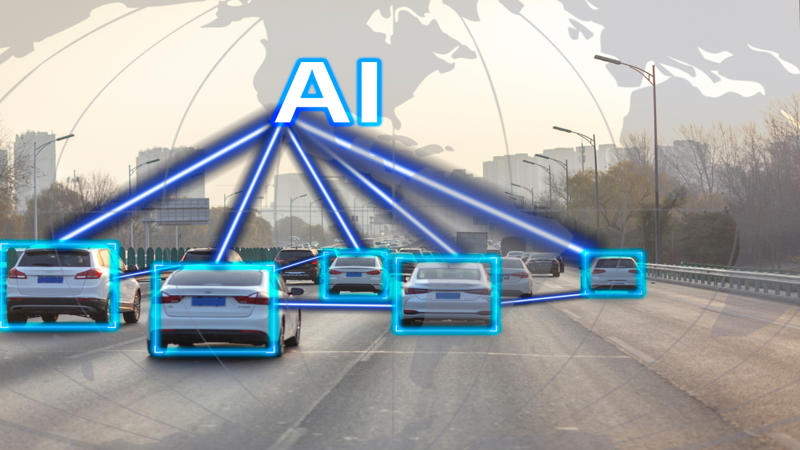
Artificial intelligence is changing nearly every aspect of modern life, and traffic enforcement is no exception.
For decades, law enforcement agencies relied primarily on police officers conducting traffic stops, speed checks, and accident investigations. Today, advances in artificial intelligence, machine learning, and automated monitoring systems are transforming how traffic laws are enforced.
From smart traffic cameras and automated license plate readers to AI-powered analytics systems, technology is helping authorities identify violations faster and more efficiently than ever before. While supporters argue these systems improve road safety and reduce dangerous driving behaviors, critics raise concerns about privacy, accuracy, and accountability.
As AI becomes increasingly common on America’s roads, drivers should understand how these systems work and what they could mean for their rights.
Table of Contents
What Is AI Traffic Enforcement?
AI traffic enforcement refers to the use of artificial intelligence and automated systems to detect, monitor, and, in some cases, issue citations for traffic violations.
Unlike traditional enforcement methods that rely solely on human observation, AI systems can process vast amounts of data in real time, automatically identifying potential violations.
Common examples include:
- Automated speed cameras
- Red-light cameras
- License plate recognition systems
- Traffic pattern analysis software
- Smart intersection monitoring
- Distracted driving detection systems.
These technologies can operate continuously, often without requiring an officer to be physically present.
Automated Speed Cameras Are Becoming Smarter
Speed cameras have existed for years, but modern systems are becoming far more sophisticated.
Traditional speed cameras simply measured a vehicle’s speed and captured an image if it exceeded the posted limit. AI-enhanced systems can now analyze multiple factors simultaneously, including:
- Vehicle speed
- Lane position
- Traffic flow
- Time of day
- Road conditions.
Some systems can distinguish between different types of vehicles and identify repeat offenders using license plate recognition technology.
For drivers, this means there may be fewer opportunities for speeding violations to go unnoticed.
Red-Light Cameras Continue to Expand
Red-light cameras remain one of the most controversial forms of automated traffic enforcement.
Modern AI-powered versions can do more than simply photograph vehicles entering an intersection after a signal changes. They can analyze traffic movements, identify dangerous driving patterns, and help transportation agencies improve intersection safety.
Supporters argue these systems reduce crashes and improve compliance with traffic signals. Critics, however, question whether they consistently capture violations accurately and whether revenue generation sometimes takes priority over safety.
Regardless of the debate, drivers should be aware that automated systems are becoming increasingly common in urban areas.
License Plate Readers Are Everywhere
Automatic License Plate Recognition (ALPR) technology has expanded rapidly in recent years. These systems use cameras and AI software to scan license plates and compare them against databases in real time.
Law enforcement agencies may use ALPR systems to identify:
- Stolen vehicles
- Suspended registrations
- Outstanding warrants
- Vehicles connected to criminal investigations.
Because these systems can process thousands of plates per hour, they allow agencies to monitor far more vehicles than would be possible through traditional enforcement methods.
Many drivers are surprised to learn how frequently license plate readers are used in parking lots, along highways, and at major intersections.
AI Is Being Used to Detect Distracted Driving
Distracted driving remains one of the leading causes of traffic accidents.
To address the problem, some jurisdictions are experimenting with AI-powered camera systems that can identify drivers who appear to be using a phone while driving.
These systems use image recognition technology to analyze vehicle interiors and detect behaviors associated with distracted driving.
Potential indicators include:
- Holding a smartphone
- Looking down repeatedly
- Texting while driving
- Improper phone use in hands-free zones
While human review is often still involved before a citation is issued, these technologies are becoming increasingly advanced.
Smart Cities and Traffic Monitoring
Many cities are investing in “smart city” infrastructure that uses AI to monitor and manage traffic flow.
These systems collect information from:
- Cameras
- Road sensors
- Connected traffic lights
- GPS data
- Public transportation networks.
The goal is often to reduce congestion, improve safety, and identify dangerous driving behaviors.
While these systems are not always designed specifically for enforcement purposes, the data they collect may assist law enforcement investigations or traffic violation reviews.
Potential Benefits of AI Traffic Enforcement
Supporters of AI-powered enforcement point to several potential advantages.
Improved Road Safety
Automated systems can operate continuously and consistently, helping identify dangerous behaviors that might otherwise go unnoticed.
Reduced Human Error
AI systems do not become tired, distracted, or influenced by emotions.
More Efficient Resource Allocation
Automated monitoring allows law enforcement officers to focus on serious incidents while technology handles routine detection tasks.
Faster Response to Traffic Issues
AI systems can quickly identify accidents, congestion, or hazardous driving conditions, helping agencies respond more effectively.
Concerns About Accuracy and Privacy
Despite the potential benefits, AI traffic enforcement raises important concerns.
False Positives
No technology is perfect.
Cameras can misread license plates, environmental conditions can affect image quality, and algorithms can sometimes incorrectly identify violations.
Even a small error rate can impact a large number of drivers when systems process millions of vehicles.
Privacy Concerns
Many drivers are uncomfortable with the idea of being continuously monitored while traveling.
Questions often arise regarding:
- How long data is stored
- Who has access to the information
- Whether data can be shared with third parties
- How information is protected from misuse.
Lack of Transparency
AI decision-making processes can sometimes be difficult for the public to understand.
Critics argue that drivers should have clear information about how automated enforcement systems operate and how violations are reviewed.
AI Doesn’t Replace Your Legal Rights
While artificial intelligence is becoming more common in traffic enforcement, it doesn’t replace the legal process. In many situations, AI is simply another tool used to gather evidence or assist law enforcement officers, with a human still deciding on whether to issue a citation.
If you’ve received a traffic ticket that could result in points on your license, increased insurance costs, or other legal consequences, it’s worth understanding your options before simply paying the fine. Firms such as Driver Defense Team regularly represent drivers facing moving violations and other traffic-related offenses, helping clients protect their driving records and understand the legal process.
Traffic defense attorneys can explain how the evidence in your case was gathered and whether there are grounds to challenge the citation. Understanding your rights is just as important as understanding the technology involved.
The Future of AI on America’s Roads
AI traffic enforcement is likely to become more common in the coming years.
Advances in machine learning, connected vehicles, and smart infrastructure will continue to give transportation agencies new tools for monitoring traffic and enforcing laws.
At the same time, lawmakers, courts, and the public will continue debating important questions surrounding privacy, fairness, and accountability.
For drivers, the best approach remains the same: stay informed, understand the rules of the road, and know your rights if you receive a citation.


Leave a Reply